Water in the House? Start Here
Water in the house is stressful, and the repair bill can feel scary. Arthuroccasion Restoration is a referral service. It does not do the work itself. It connects homeowners in Dayton and the Miami Valley area with independent local providers who handle water damage restoration, water extraction and structural drying.
Begin with an estimate request. Share what happened, where the water is and roughly how much there is. A provider in our network can then reach out to talk through next steps and price. Many providers can respond quickly, but availability changes with the weather and the day.
Why start with a written estimate? Because water damage costs swing widely. A small kitchen leak and a flooded basement cleanup are very different jobs. A clear quote shows what is included, what could add cost and how long drying may take. You can compare more than one quote before you agree to anything. There is no obligation to hire.
Prefer to talk first? Request a callback to check provider availability. Call hours vary by provider.
How It Works
A referral service, not a repair company
Arthuroccasion Restoration does not send its own workers. It passes your request to independent providers in our network that serve Dayton. Each provider sets its own prices, schedule and terms. The provider, not Arthuroccasion Restoration, does the work and stands behind it.
The steps, in plain terms
- Send an estimate request with a few details about the damage.
- A local provider contacts you with questions and timing.
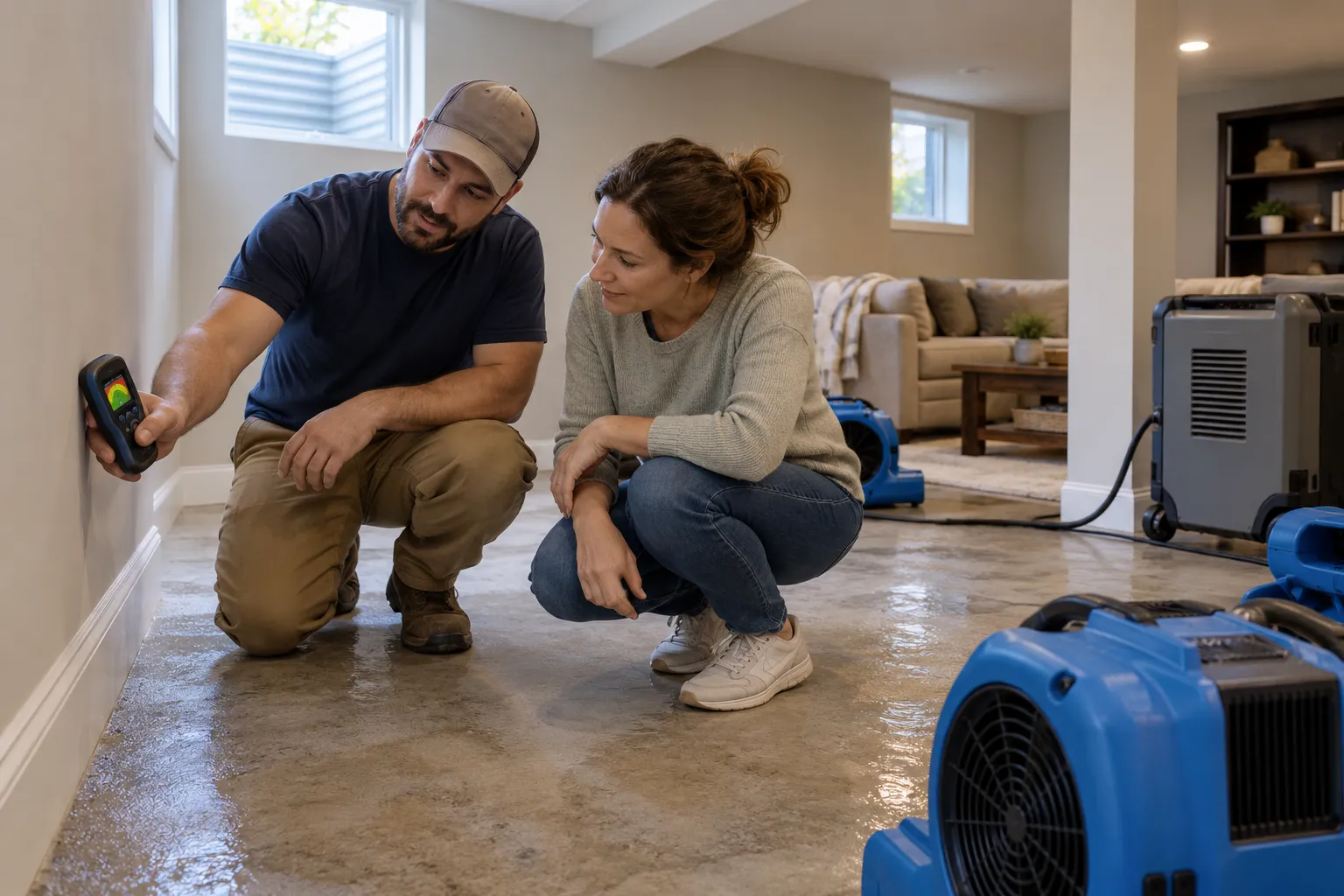
- The provider looks at the space and gives you a written quote.
- You compare, ask questions and choose what fits your budget.
What the work usually involves
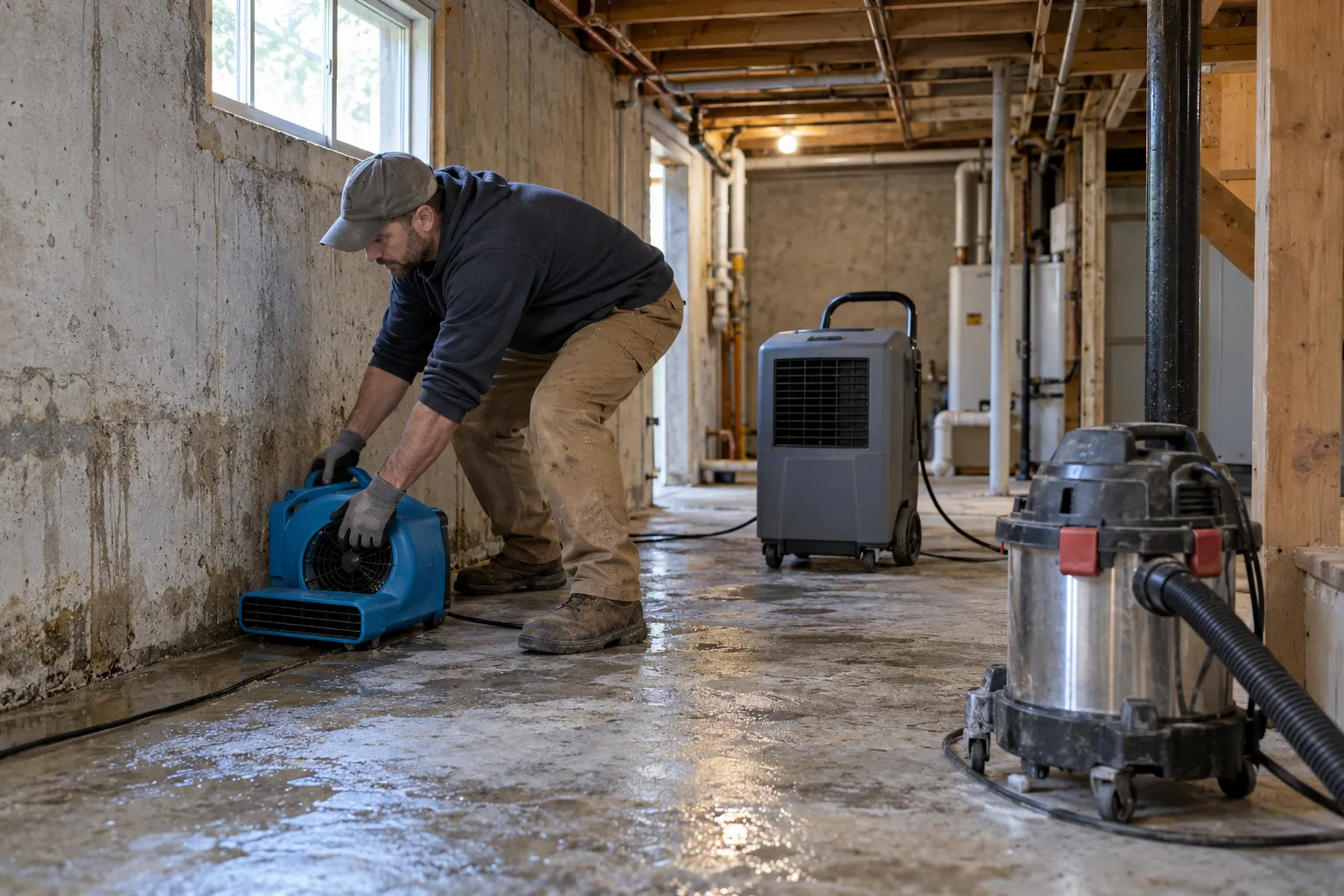
Restoration starts by stopping the source of water. Then comes water extraction, which pulls standing water out with pumps and vacuums. After that, structural drying uses air movers and dehumidifiers to dry floors, walls and framing. Last come cleanup and repairs, such as new drywall or flooring.
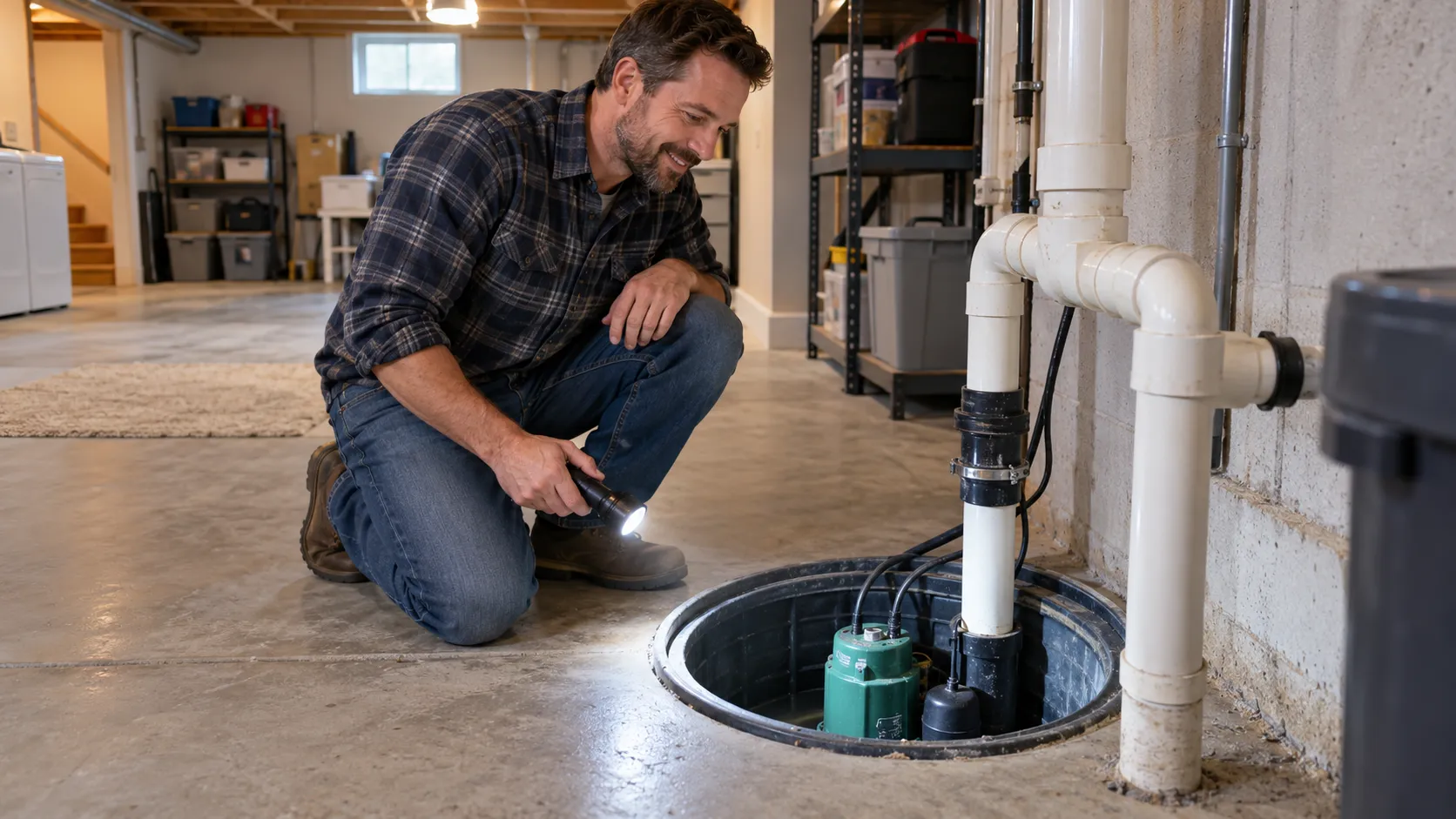
Older frame houses, bungalows and ranch homes can hold moisture in hidden spots. Full basements with sump pumps bring their own risks when the pump fails or the ground is soaked. A good provider checks for moisture instead of guessing.
Why the season matters
Weather decides how busy providers are, how fast materials dry and what kind of damage you see. Planning ahead can save money and stress.
Serving Dayton and Nearby
Arthuroccasion Restoration focuses on Dayton and the Miami Valley area. That matters because local weather drives local water problems. Cold winters with deep frost can split pipes. Hot, humid summers invite mold once things get damp. Severe thunderstorms and hail can damage roofs and open the way for leaks. Spring flooding pushes water into low spots and basements.
Homes here are often full-basement houses with sump pumps, plus frame houses from many decades, bungalows and ranch homes. Each type dries a little differently. A provider who works in your area has likely seen your kind of house and your kind of weather.
When you request an estimate, mention your home type and where the water showed up. That helps providers prepare a more accurate quote.
If you are not sure which services you need, that is fine. Describe what you see and let the provider explain the options and the price drivers.
Plan Ahead for Every Season
Spring: melting snow and heavy rain
Spring flooding is the big one for basements. Frost still holds the ground, so water has nowhere to go. Test your sump pump before the thaw and keep downspouts pointed away from the foundation. Providers get busy when the ground is soaked, so early planning helps.
Summer: storms, hail and humidity
Severe thunderstorms can bring hail, roof damage and sudden leaks. Humid air also slows drying, so damp materials can turn musty fast. Ask any provider how they will control humidity during structural drying.
Fall: the quiet time to prepare
Fall is a good time to clear gutters, check the roof and look at pipes. Fewer emergencies often means easier scheduling for planned repairs. It is also a smart time to save a few provider quotes before you need one.
Winter: deep frost and burst pipes
When deep cold hits, pipes in outside walls and crawl spaces can split. The water may run for hours before you notice. Know where your main shutoff is. For emergency water damage repair, shutting off water first can limit what needs fixing.
What drives the price
Costs depend on how much water there is, how long it sat, which materials got wet and how much drying equipment is needed. In the U.S., a small extraction and drying job may run from several hundred to a few thousand dollars. Larger or contaminated jobs can cost much more. Always get a written quote.
Questions to ask a provider
Ask what is included, how drying will be measured and what could change the price. A good answer is specific and written down. Ask how long equipment will stay and who handles repairs afterward.
Red flags to watch for
Be careful if someone refuses to put a quote in writing, pushes you to sign on the spot or asks for full payment up front. Vague answers about moisture checks are another warning sign.
Insurance basics
Some policies may cover sudden damage, but many do not cover slow leaks or flooding from outside. Check your policy. Providers can often help document damage for a claim.
Ready to Get Started
Tell us what happened and where the water is. A provider in our network can follow up with questions and a written quote. You can compare, ask more questions and decide in your own time. There is no obligation.
Prefer the phone? Request a callback to check provider availability. Call hours vary by provider.